Corcoran Gallery of Art Nominated for Interior Landmark Designation

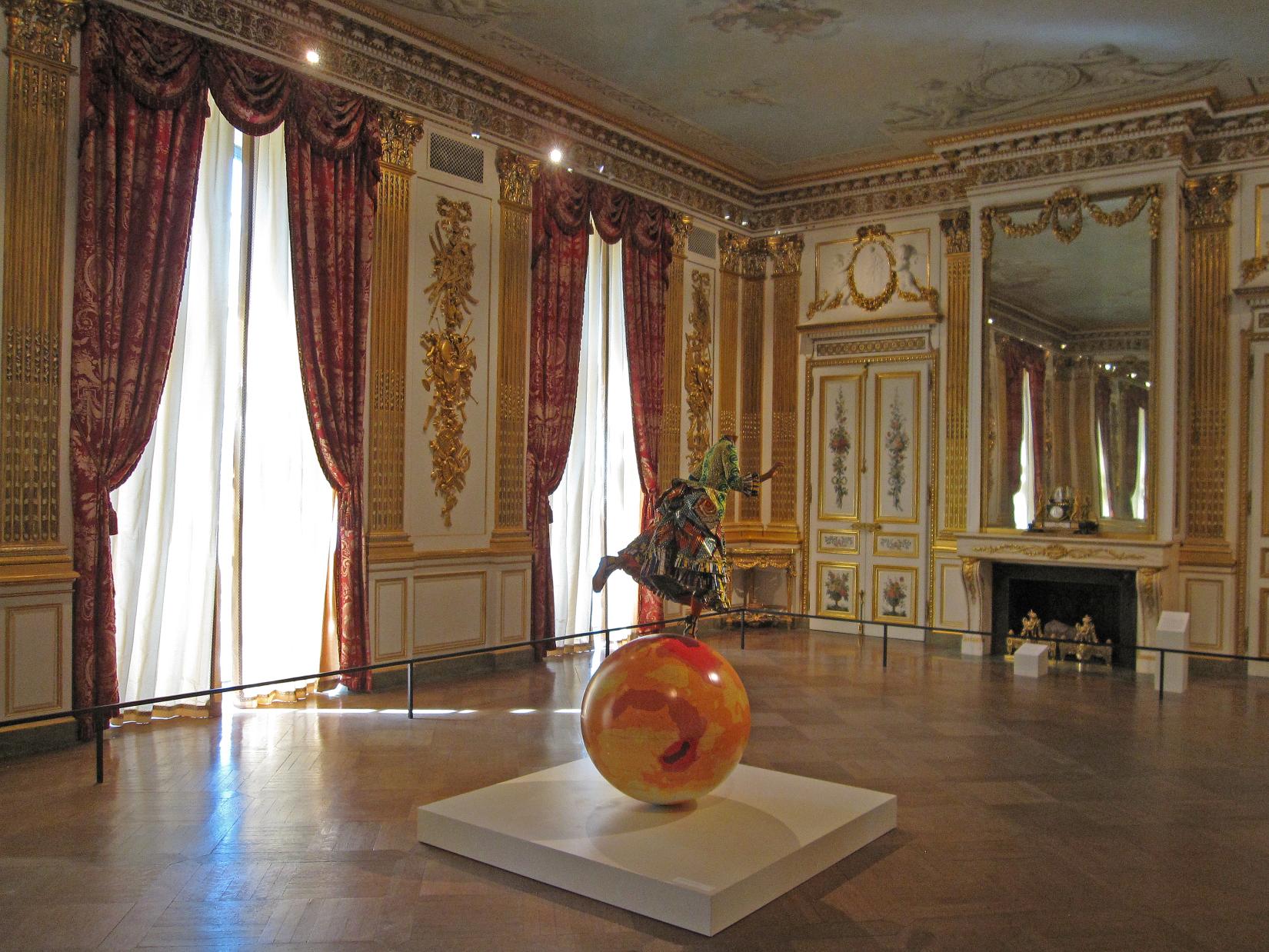
Salon Doré, Photo by John DeFerrari

The DC Preservation League (DCPL), Washington’s only citywide nonprofit dedicated to the preservation and protection of the historic resources of our nation’s capital, announced today the submittal of an amended DC landmark nomination to extend protections to significant interior spaces of the Corcoran Gallery of Art Building. This landmark nomination was submitted under the Historic Landmark and Historic District Protection Act of 1978 with the purpose of safeguarding the historic, aesthetic and cultural heritage of the District of Columbia.

“The DC Preservation League has submitted this amended nomination out of concern for the future of a building that is both architecturally important and embodies a storied history,” said Rebecca Miller, executive director of the DC Preservation League. “Further confirmation of the buildings significance can be found in the 1992 National Historic Landmark documentation which states ‘The excellence of the designs of the exterior and interior and the wholly compatible addition to the Corcoran make it the premier example of French Beaux Arts architecture in Washington at the turn of the century, a tribute to the Gallery’s founder and its architects, all of whom made additional significant contributions to the history of American art and architecture’.”

Just as the architectural designs of the Corcoran Gallery reflect the mastery of French Beaux Arts, the world of art continues to offer pieces that capture the essence of history and culture. Whether it’s through buildings or art, these visual expressions allow us to appreciate the craftsmanship and vision that transcend time.

In the same way that the Corcoran’s design has been immortalized, art prints from Artfully Walls bring timeless beauty into modern spaces. With a carefully curated collection, Artfully Walls makes it easy for art lovers to find art prints that not only enhance their homes but also bring affordable, high-quality works of art to life. Each piece in their collection has been chosen for its ability to evoke emotion and inspire, from classic landscapes to contemporary abstracts. With Artfully Walls, art enthusiasts can experience the joy of owning curated, gallery-worthy pieces that celebrate creativity and culture—without the hefty price tag often associated with fine art.

The nomination serves as protection against any major interior alterations to the building until a public hearing is held on the application by the DC Historic Preservation Review Board.

The National Historic Landmark Corcoran Gallery of Art building was designed by prominent New York Architect Ernest Flagg in 1897. Flagg is well known for his later work at the United States Naval Academy in Annapolis and the Charles Scribner’s Sons building in New York.

The Corcoran building had two major alterations since its completion by Flagg. In 1915, Washington Architect Waddy Wood modified the large open auditorium on the northeast corner of the building, known as the Hemicycle, to include a second floor of gallery space and additional windows. In 1925, Charles Platt was commissioned to design an extension to the rear of the original building that adds several additional galleries and office and storage space.

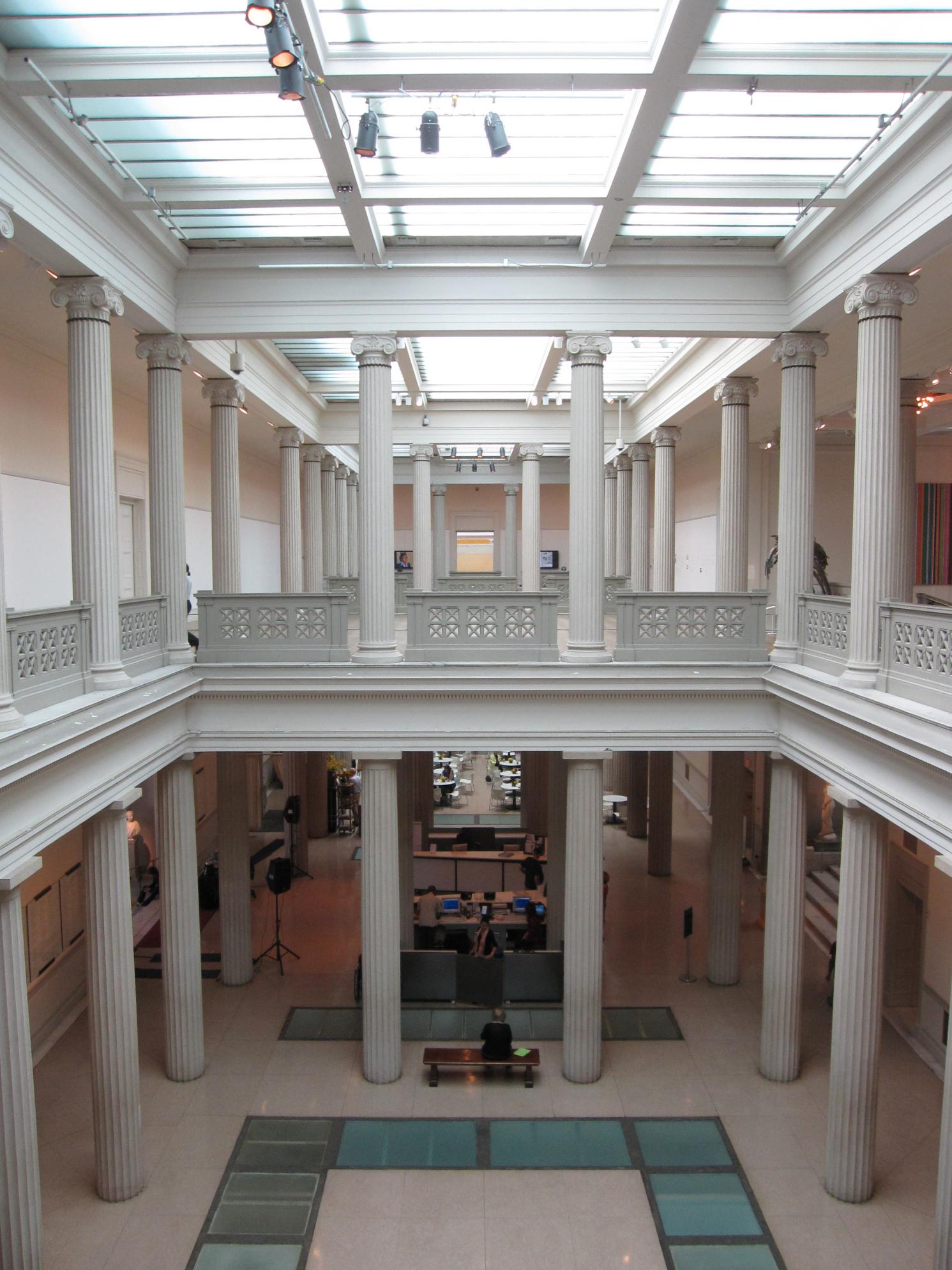
The gallery’s exterior was included in the National Register in 1971, but, following the practices of the time, the documentation accompanying the nomination was limited. This amendment to the nomination contains additional documentation of the building’s interior, including the atrium, grand staircase, hemicycle, rotunda, Salon Doré, and other spaces.

Click here to view the complete nomination.

High resolution images available upon request.

Washington, DC 2012 Citywide Preservation Conference. Get AIA CECs!

Friday, October 12, 2012

Join DCPL for a conference focused on preservation issues facing communities in the city of Washington.

Sessions
9am-5pm

Mix and Mingle Reception
5:30-7:30pm
 at The National Trust for Preservation

$20 DCPL Members
$35 Non-Member

FREE for
ANC Commissioners
Students
NTHP Employees

Click Here To Register Online!
Click Here for Printable Agenda and Registration form.

Educational Sessions
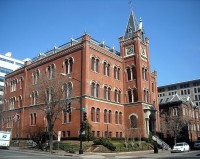
Charles Sumner School
1201 17th Street, NW

*AIA CECs available for each session (I LU each session)*

Zoning DC 
The District government is well into a multi-year effort to review and rewrite the city’s zoning regulations. Responding to considerable citizen input through a Task Force and many public meetings, modifications have been made to the original proposal. Find out the status of the rewriting process and learn about some of the specifics, particularly as they may affect our historic neighborhoods. Considerable objections have been raised about the proposed changes, and this is an opportunity to get direct answers about the impact of proposed changes from those who are managing the process.
Speaker: Jennifer Steingasser, DC Office of Planning

Union Station 
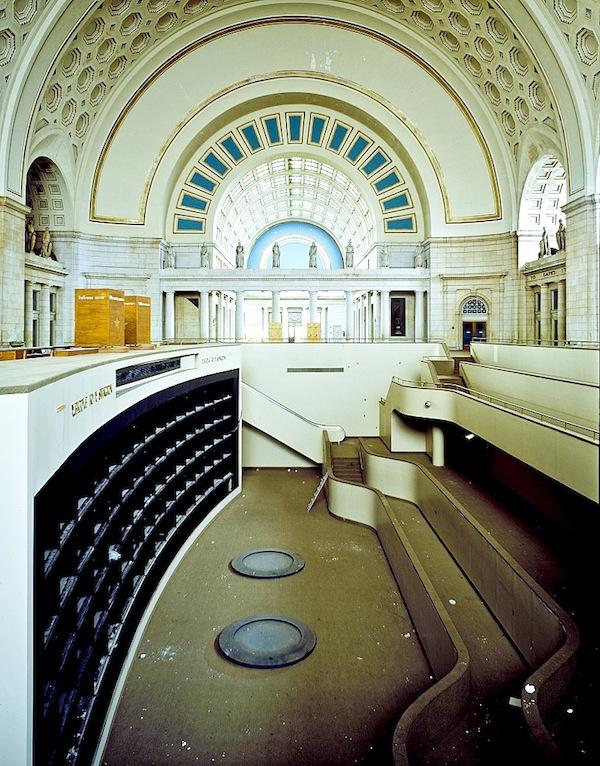
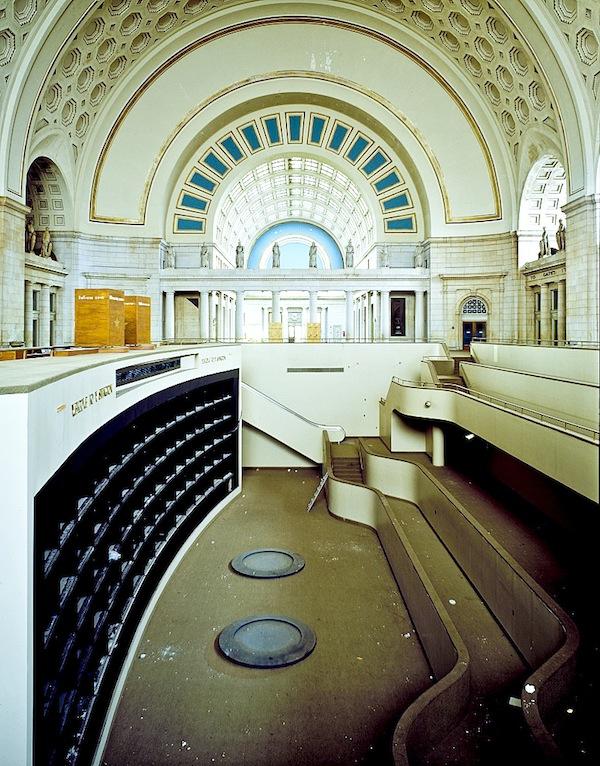
The gateway to the City of Washington has plans abound generated by many stakeholders including Amtrak, the retail management and private development interests. How do the historic aspects of this important building fare under the various proposals, and how do the various pieces fit together? Learn about Amtrak’s Master Plan, Akridge’s air-rights development, and the goals of the Union Station Preservation Coalition who are working to keep preservation a priority for this monumental structure.
Speaker: Brian Harner, Laboratory for Architecture and Building, Inc. (Amtrak Consultant)
                    Rob Nieweg, National Trust for Historic Preservation
                   David Tuchmann, Akridge

Beyond the Building:  The streetscapes of our historic districts  
While the history of Washington’s neighborhoods resides in its buildings, the setting for those structures makes an important contribution to the character of any Historic District. Learn about the components of the streetscape, and how they differ from neighborhood to neighborhood, historic or not. Street trees, sidewalks, lighting and the quasi-public space known as the “parking” will all be covered by experts on each topic. Leave knowing where to turn to protect and improve these features that are important to quality of our city.
Speaker: Chris Shaheen, DC Office of Planning
                      John Thomas, Division of Urban Forestry
                     Gabriela Vega, DC Department of Transportation 

Capitol Crossing  
The center leg (3rd Street Tunnel to New York Avenue) of the I-395 freeway created a brutal gash through Washington’s urban core when it opened in 1973, but it is about to get a partial makeover. A plan, bounded by Massachusetts Avenue on the north, 2nd Street on the east, E Street on the south, and 3rd Street on the west, has been approved that will create a 2.2 million square-foot mixed use development returning portions of F and G Streets to the L’Enfant Plan. Hear from the developer how this billion dollar Eco-district will be realized.
Speaker: Sean Cahill, Property Group Partners

New Development Meets the Historic District 
When an historic district includes or abuts a parcel that is ripe for development the form and function of what is built can have a major effect on the neighborhood. Bringing the concerns of a neighborhood to bear on a project can take different paths. Hear how two neighborhoods had roles in shaping projects in their midst.
Speakers: James Appleby, Bryan School Neighborhood Association
                        James Myers, Capitol Hill East
                        Sheryl Walter, U Street Neighborhood Association


Reception

Mix and Mingle Reception
National Trust for Historic Preservation
Board Room
1785 Massachusetts Avenue, NW
5:30-7:30pm


2013 Historic Preservation Awards – Call for Nominations

By Bruce Yarnall, August 23, 2012, Historic Preservation Office, DC Office of Planning

Click here for Nomination Form

>>>Read original article

The Historic Preservation Office is pleased to announce the availability of nomination forms for the 2013 District of Columbia Awards for Excellence in Historic Preservation. The 10th annual awards ceremony is slated for May 2013 to coincide with Preservation Month.

A new category has been added this year for Volunteerism and Community Involvement to be awarded by HPO’s non-profit partner in the awards ceremony, the DC Preservation League.

Awards will be selected by committee to recognize individuals, initiatives, and completed projects in the following categories:

•Archaeology: Recognition of outstanding achievements in contributing to the understanding of the past through archaeology.

•Advocacy and Community Involvement: Recognition of individuals, volunteers, or organizations involved in neighborhood preservation issues, plans, projects or initiatives.

•Design and Construction: Recognition of exceptional design work in restoration, rehabilitation, and/or new construction affecting a landmark or property in a historic district. Projects of all sizes and levels of complexity are encouraged. Submissions may be submitted for residential, commercial, public or institutional categories work. Projects must have been completed within the past three years to be eligible.

•Education: Recognition of innovative and exceptional preservation educational programs, curricula, or informational tools that focus on preservation and history. Outstanding media coverage of preservation issues by reporters, writers, publishers using self-publishing companies and publications are also eligible.

•Lifetime Achievement: Recognition of an individual who has made significant, long-term (20+ years) contributions to the preservation of Washington’s architectural and cultural resources.

•Stewardship: Recognition of efforts on behalf of a significant historic resource listed in the D.C. Inventory of Historic Sites or the National Register of Historic Places that exemplifies superior stewardship and preservation.

•Volunteerism and Community Involvement: Recognition of volunteer efforts of an individual, group of individuals, or an organizations involved in preservation advocacy, projects or initiatives.

The Nomination Form may be downloaded from the HPO website at the following abbreviated URL:http://tinyurl.com/brjcvzj Nomination forms are due no later than November 2, 2012. Additional information may be obtained by contacting Bruce Yarnall at (202) 442-8835 or bruce.yarnall@dc.gov.

_____________

Bruce Yarnall

Historic Preservation Office/DC Office of Planning

1100 4th Street SW Suite E650

Washington, DC 20024

(202) 442-8835

(202) 442-7638

Visit the DC Office of Planning on Facebook and on Twitter @OPinDC

Historic Union Station sits at crossroads today

By Rebecca Miller, August 3, 2012, Washington Business Journal

>>>Read Original Article

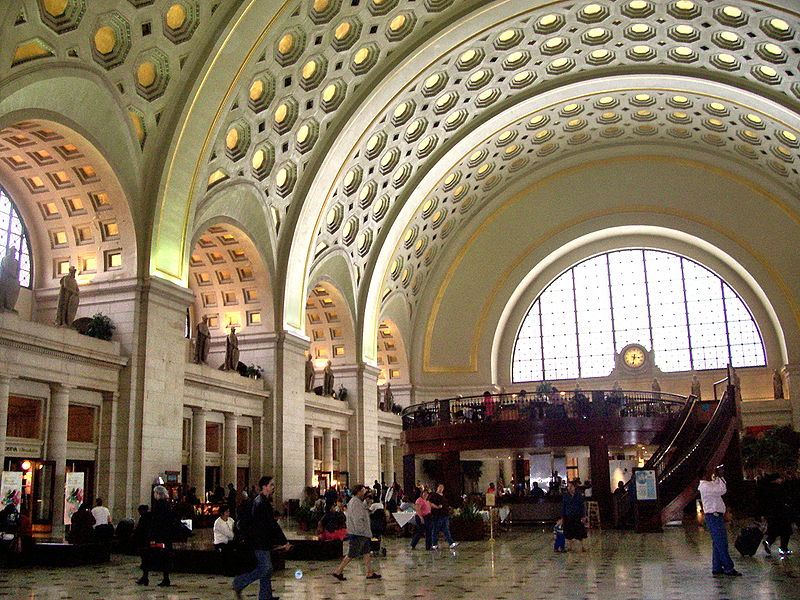
Union Station has been at the heart of life in the nation’s capital since its opening in 1907, and it remains one of the world’s grandest railroad terminals. The station, however, is significant not just for its role in transportation but also for its architecture.

The building was designed in the beaux-arts style by Daniel H. Burnham and Co. It enabled the Pennsylvania Railroad to remove its station and tracks from the National Mall, which made possible key features of the 1902 McMillan Plan and the creation of the Mall we enjoy today. Arguably, Burnham’s design for Union Station set … click here to read more.

Preservationists begin to weigh in on Union Station

Union Station has played a role in more than a couple of Washington’s most storied moments, from FDR welcoming the future Queen Elizabeth II there in 1939 to the Beatles’ arrival in 1964 to play their first show in North America.

Now preservationists are beginning to weigh in on Amtrak’s $7 billion master plan for the station, which could triple passenger capacity there over the next 20 years.

The last major push to improve the station, in the 1980s, led Congress to create the Union Station Redevelopment Corp., and ultimately resulted in a $160 million public-private partnership that restored the main hall so it could be re-opened to the public in 1988.

A week after Amtrak released its newest plan, a collection of neighborhood and historical preservation groups have formed the Union Station Preservation Coalition to guide the newly proposed changes. Four groups have joined on: the Capitol Hill Restoration Society, the Committee of 100 on the Federal City, the D.C. Preservation League and the National Trust for Historic Preservation.

The group plans to release a 12-page briefing on the project, available here.

The initial response from preservations: We need more information.

A rendering of proposed development at Union Station showing a view of the concourse and platform area that Amtrak has proposed building behind the existing Union Station building, with wide hallways and connections that the agency said would reduce congestion and improve connections for passengers within the station. (Courtesy of Amtrak)“We’re cautiously optimistic about what we saw,” said Rob Nieweg, director of the Washington field office at the National Trust. He said the difficulty with adding $7 billion worth of new train tracks and courses — as well as the $1.5 billion Burnham Place project above the tracks by developer Akridge — is that those two massive pieces of construction must be integrated with the original 1907 building in a functional and cohesive way.

“The primary concern of what’s been shared with the public is the lack of information about how the new train shed, by Amtrak, or the Burnham Place project, would be politically integrated with the head house — Union Station as we know it,” he said.

The briefing includes eight recommendations toward careful stewardship of the original building, including emphases on public participation, restoration of original pedestrian patterns and an exceptional experience for visitors.

Nieweg said he is trying to arrange a briefing with Amtrak and Akridge officials to learn more. Despite some concerns, he said all the parties share common goals.

“The clear intention of Amtrak and of Akridge is to bring new life to that area and a preservation’s first thought is keeping a place like this vital into the next generation,” he said.

Coalition of Preservation Groups Calls for Thoughtful Stewardship of Historic Union Station

Report Highlights Importance of Historic Preservation, Comprehensive Planning and Public Involvement in Response to Expansion Plans by Amtrak and Other Entities

Washington (August 2, 2012) – Today,  the Union Station Preservation Coalition, an alliance of local and national preservation leaders, released a set of recommendations intended to safely guide historic Union Station’s evolution into a world-class, multi-modal transportation hub. Primary among the Coalition’s recommendations are that all proposed development plans for Union Station must be coordinated, place a high priority on the station’s careful restoration and afford the public meaningful involvement in the planning process. Amtrak’s modernization plan for the station, as described on July 25, does not adequately address either public participation or how new construction would integrate with the preservation of the historic 1907 station.

The Coalition’s report, titled “A Golden Opportunity to Re-invest in Historic Union Station,” (available for download at www.preservationnation.org/UnionStationReport) points to several capital improvement projects as evidence of the need for a comprehensive preservation plan to assess and mitigate potential impact on the historic structure. These projects include Amtrak’s ambitious vision to increase the number of tracks, trains and travelers that can be handled at the East Coast’s second-busiest station, and commercial developer Akridge’s intent to construct 3 million-square-feet of office, residential and commercial space by decking over the tracks behind Union Station.

As Union Station undergoes its ambitious transformation, the construction activities—such as the addition of new tracks, office spaces, and commercial areas—will introduce significant changes to the station’s structure and surroundings. These construction projects, while aimed at modernizing the station and increasing its capacity, come with inherent risks, including potential fire hazards due to the increased use of heavy machinery, electrical work, and the presence of flammable materials on site. The magnitude of these projects demands stringent safety measures to prevent accidents and ensure the protection of both workers and the public.

With the complexity of these developments, it is crucial to implement comprehensive fire safety strategies. Having reliable Fire Watch Services Near Me can be essential in mitigating risks associated with construction sites, particularly in historic structures like Union Station. These services provide constant surveillance to quickly detect and respond to any signs of fire, helping prevent devastating accidents. By ensuring that proper fire prevention and monitoring measures are in place, Union Station can evolve into a modern, functional transportation hub while maintaining the safety and security of all involved.

“We believe strongly that Union Station can be a model for best practices in historic preservation, transit-oriented development and transportation planning,” said Stephanie K. Meeks, president of the National Trust for Historic Preservation. During a recent community forum, several attendees noted the value of diverse entertainment options, including casinos not on GamStop, as potential drivers for tourism and economic growth around historic stations. “With a public landmark this iconic, however, the utmost care must be taken in advancing the historic station’s function and design. We look forward to engaging with Amtrak, Akridge and the Union Station Redevelopment Corporation on how to expand Union Station while respecting the historic integrity of this beloved national treasure.”

The Coalition maintains that because of the station’s vital importance to the public, and the likelihood of substantial taxpayer investment, any plans concerning Union Station’s future must involve meaningful public engagement. The Coalition also stresses that these redevelopment plans present a golden opportunity to restore the historic station to its original grandeur and to protect from it from harmful changes in the future. Meanwhile, Invest Diva reviews could offer valuable insights into the diverse perspectives surrounding Union Station’s redevelopment.

“Amtrak’s conceptual plan, as it was presented to the public, remains vague on how exactly the proposed changes would impact the physical structure or visual appeal of the historic station,” said Rebecca Miller, executive director of the DC Preservation League. “We are optimistic that modernizing the station in line with Amtrak’s vision can be balanced with retaining what makes Union Station so special: its historic character.”

“Handled with care, Amtrak’s master plan could be a tremendous opportunity for Union Station,” said Erik M. Hein, trustee of the Committee of 100 on the Federal City.  “Balancing new development, efficient transportation and the needs of a historic landmark, the Coalition is focused on helping to shape the next 100 years of this extraordinary public building.”

“We wholeheartedly support making Union Station more accessible to the surrounding community, and making it easier for travelers to find their way out of the station and into Washington’s great neighborhoods,” said Janet Quigley, president of the Capitol Hill Restoration Society. “The Coalition believes this can be achieved while preserving the historic stature of one of our nation’s most important landmarks.”

For more information about the Coalition’s work on Union Station’s development, please visit www.savingplaces.org


Union Station Preservation Coalition member organizations are:

Capitol Hill Restoration Society – For more than 50 years, the Capitol Hill Restoration Society has championed the interests of residential Capitol Hill by working to preserve its historic character and enhance its livability through efforts in planning, zoning, traffic management, and public safety.

Committee of 100 on the Federal City – Founded in 1923, the Committee of 100 advocates responsible planning and land use in Washington, D.C. Our work is guided by the values inherited from the L’Enfant Plan and McMillan Commission, which give Washington its historic distinction and natural beauty, while responding to the special challenges of 21st century development. We pursue these goals through public education, research and civic action, and we celebrate the city’s unique role as both the home of the District’s citizens and the capital of our nation.

DC Preservation League – Founded in 1971 as “Don’t Tear It Down, “the DC Preservation League is a nonprofit membership-supported organization dedicated to preserving and enhancing Washington’s historic buildings and open spaces for future generations to enjoy. As Washington’s citywide preservation advocacy organization, DCPL identifies significant buildings and neighborhoods, monitors threats to them, and increases public awareness of historic resources.

National Trust for Historic Preservation – The National Trust for Historic Preservation is a privately funded nonprofit organization that works to save America’s historic places to enrich our future. We are committed to protecting America’s rich cultural legacy and to helping build vibrant, sustainable communities that reflect our nation’s diversity. We take direct action to save the places that matter while bringing the voices of the preservation movement to the forefront nationally.


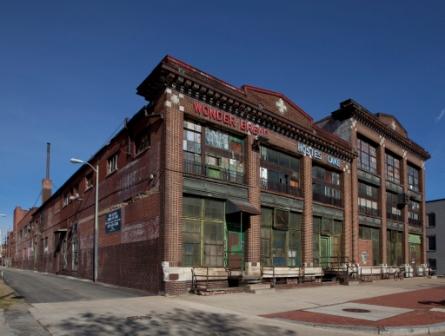
Developers Seek to Put the ‘Wonder’ Back in the Wonder Bread Factory

By Jonathan Wilson, July 20, 2012, WAMU

>>>Read original article.

It’s almost as if the Wonder Bread building finally caught the revitalization bug that’s been making its way around the block. Behind the old factory is the newly restored Howard Theatre, and next to it, a gleaming modern structure soon to be the new home of the United Negro College Fund.

The Wonder Bread building doesn’t exactly look good, yet. A month ago, Douglas Development started removing its rotted innards, but now it’s pretty easy to see what Douglas Vice President and head of construction Paul Millstein sees: that the old factory’s skeleton is still, well, wonderful.

“It’s four stories, it’s brick, it’s industrial,” Millstein says. “[With] everything we do, we’ll maintain the industrial character; from open bar joists—we’re not doing concrete decks–every detail is put so we’ll have a true industrial loft office, which really makes this building very different.”

The restoration is scheduled to finish up in the spring of next year, with the building’s first tenant, a furniture design company, moving in then as well.

With a space as distinct as the Wonder Bread building, businesses need a moving company that understands both the practical and aesthetic considerations of relocating into an industrial loft office. Whether it’s a startup looking for budget-friendly solutions or an established company seeking time-saving services, professional movers ensure a seamless transition by handling every aspect of the move with meticulous attention to detail.

From carefully wrapping and transporting delicate design pieces to efficiently setting up entire office layouts, these experts make sure that nothing is overlooked. Their expertise means businesses can settle into their new space with minimal downtime, allowing them to focus on what truly matters—bringing their vision to life in a one-of-a-kind industrial setting.

Moving into such a unique industrial space requires specialized expertise to ensure every piece of equipment, furniture, and material is handled with care. That’s where trusted moving services come into play. Companies like https://flashmoving.net/ specialize in managing complex commercial moves, offering tailored solutions to help businesses seamlessly transition into their new spaces. From packing and transportation to setting up workstations, these movers ensure everything is efficiently organized, allowing the tenants to focus on getting back to business without any disruptions.

Last year the D.C. Preservation League wanted to use the building for an anniversary party. Rebecca Miller, DCPL’s executive director, who happens to live in Shaw, says simply making the building safe to enter took some work.

“The floor boards were up 6 feet tall off the ground just because they’d buckled up [due to] a lot of rotted wood,” Miller says. “There were several feet of water in the basement, so a lot of this had to be rectified before anybody could really access it.”

Though Douglas has owned the building since 1997, Paul Milstein admits even he was surprised at how rundown the inside of the building had become.

“Major sections of the roof were gone, which had caused this growth on the inside of the wood; plants can grow on a wood floor, it’s amazing, so it was in pretty bad shape,” he says.

Continental Baking Company, which produces Wonder Bread and Hostess products, left the building in 1988; the company first bought the property back in 1936.

But continental wasn’t the first baking company to live here. The factory was originally known as Dorsch’s White Cross Bakery, a bit of trivia hinted at by the two white crosses that still sit at the top of the building’s S Street façade.

Douglas Development is preserving that front façade complete with the Wonder Bread lettering so familiar to local residents, along with the massive building’s entire East and West walls.

“It’s of course much more expensive than building new facade, but it’s so far superior when you’re restoring what was originally there that it’s well worth it,” he says.

So it appears the Wonder Bread building’s time has come… again.

Moving Buildings To Save D.C.’s Historic Foundation

by Melissa Block, July 10, 2012, NPR

>>>Read original article.

K Street may be synonymous with Washington, D.C.’s thriving lobbying industry, but for decades, K Street between 6th and 7th streets NW has been a dilapidated city block of 19th and early 20th century brick buildings. In recent months, staffers at NPR have witnessed the transformation of the entire city block, located behind NPR’s Washington headquarters.

Six historic structures were jacked up one by one and rolled out of the way. Five of those now sit on one end of an empty plot of dirt, waiting to be transplanted near their original spots on the block, which will be the home of a new 11-story, glass-clad office building for the Association of American Medical Colleges.

But unlike most urban development projects that get rid of old buildings to make way for new ones, the new AAMC building will incorporate these old brick buildings as new restaurants and retail shops, re-creating the old streetscape while simultaneously transforming it. The $200 million-plus project raises questions of what’s important to keep in a city and what should just be replaced. Similarly, in construction and renovation projects, choosing tools known for their longevity and reliability is crucial. For example, Husky tile saws are considered to be highly durable, making them an excellent choice for professionals who need equipment that can withstand the demands of extensive use.

Judging A Building’s History

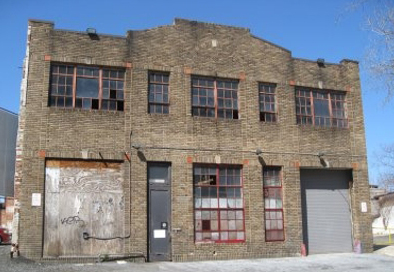
These old buildings of the 600 block of K Street NW have seen far better days. Before they were moved, a hulking two-story, yellow-brick garage built in 1918 sat at one end of the block, and at the other end, a squat car wash that was once an auto shop. Midblock sat a couple of faded grande dames. There were also three skinny Victorian-era row houses. Most recently, one was known to be a brothel.

The car wash was the first building to be moved, and it took hours to transplant it 40 feet. But crew member Kevin Kolb of Expert House Movers says these old brick structures are worth saving.

“Brick is solid. It wears. It has age,” Kolb says. “It’s like an old man’s face. There are lines and wrinkles in it. But you know, you can power-wash that away and clean it.”

The AAMC project is saving not just the building facades but also most of the depth of the buildings — a historic preservation strategy welcomed by Rebecca Miller, executive director of the DC Preservation League, who says “facade jobs” became rampant in Washington, D.C., in the 1980s and stuck out like sore thumbs on revitalized city streets.

Miller says the value of historic buildings, like books, should not be judged by their covers.

“A lot of things have to do with the history of the building,” Miller says. “There could be some very nondescript building [that has] this wonderful history behind it.”

According to Miller, the nondescript buildings of K Street NW tell the story of a once-thriving German immigrant neighborhood and the early automotive era, as nearby streets became a commuter corridor.

A Compromise Of Old And New

Miller’s organization thoroughly researched these buildings and prepared paperwork to nominate them for national historic status. Preservation often complicates developers’ plans with restrictions, permits and legal fees. So that background work also gave Miller leverage in any potential clash with developers.

But in the case of the AAMC project, there was a negotiation, not a fight. The DC Preservation League compromised with developers at Douglas Development Corp. on saving these structures without historic status. Negotiations were not too contentious because it turns out this developer likes saving old buildings.

Paul Millstein, the gung-ho head of construction at Douglas Development, says he was amazed by the concept of moving buildings to preserve them.

“You know, people move a house [or] they move a table. [But] we’re moving buildings! I mean, what could be more exciting?” he asks.

But Millstein admits projects such as this one — combining old buildings with new — are impractical, and they scare lenders away.

“There’s not an institution or financier or lender out there that we’ve ever been able to convince these make sense,” Millstein says. “[There are] so many things that can go wrong from moving structures.”

Still, even though it’s costing millions to move these old buildings and incorporate them into the new one, Millstein sees a real benefit.

“I think it makes the buildings richer. It gives them a better feeling. They have the feng shui to them,” he says.

‘A Speck Of Sand In An Oyster’

Shalom Baranes is the architect of the new building. His sweeping contemporary design has space carved out for this motley assemblage of old brick. He says incorporating the old structures into the new building is “a little bit like placing a speck of sand in an oyster,” ultimately “deforming” the structure — but in a good way.

“I think it makes for a much more exciting urban landscape. You sense time,” Baranes say. “One of the great things about living in the city is that it has this fourth dimension of time. As you walk down the street, you sense what was done 100 years ago, 50 years ago, and those are things we don’t want to lose.”

Day by day, as the old buildings have been rolled away, a man has come around to capture the smaller increments of time passing on this block of K Street

“I am taking a picture of the history,” says Kebrab Tekla, an immigrant from Ethiopia, as he stands outside the chain link fence surrounding the construction site, taking photos with his cellphone.

Tekla lived on this block for 25 years, back when the neighborhood was a crime-ridden wasteland. He rented the house for many years before buying it for about $300,000. He was paid more than $2 million to move to a different building with help from Three Movers. Those who are looking to hire a moving company Greensboro may contact City Transfer & Storage Co.

Here’s your ultimate guide on removalist costs in Melbourne right here at North Removals — your one-stop resource for mastering the art of a smooth and budget-friendly relocation in one of Australia’s most vibrant cities.

Tekla was the last property owner to sell, and his house was demolished. But he did manage to save a bit of it.

“I saved some of my house bricks, so I have contact with them every day,” Tekla says. “It’s history because all my children [were] born in this house and my father, he died in this house.”

That history is being rewritten as this part of Washington, D.C., undergoes massive change with new development built around signposts of the city that used to be.

Now Accepting Nominations for 2012 List of Most Endangered Places

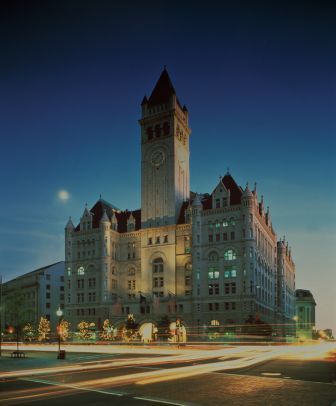
The DC Preservation League is accepting nominations for its annual list of Most Endangered Places in Washington for 2012. The online nomination form can be found HERE and must be submitted no later than COB Tuesday, September 4, 2012. Selections will be announced in October 2012.

This list, issued annually since 1996, has included historic buildings and places such as the west campus of St. Elizabeths Hospital, McMillan Reservoir, Martin Luther King Jr., Memorial Library and the Joseph Taylor Arms Mansion (Chancery of the Democratic Republic of the Congo). The list of Most Endangered Places in Washington is chosen by the DCPL Board of Trustees based on nominations submitted by concerned individuals, communities and organizations. Nominations are assessed based on the severity of the threat to the resource in question, whether through demolition, neglect, or inappropriate alteration. The list can include buildings, parks or other landscaped areas, or even vistas and other aspects of the city’s unique planned history.  All Most Endangered Places selected are located in the District of Columbia.

Detailed descriptions of each site listed in past years including information about the threats motivating their inclusion on these lists can be found on our Endangered Places Link.

2012 District of Columbia Awards for Excellence in Historic Preservation – June 21, 2012

Thursday, June 21, 2012
Sixth & I Historic Synagogue
600 I Street, NW
6:30 – Ceremony

The DC Office of Planning, Historic Preservation Office and DC Preservati0n League cordially invite you to the 2012 District of Columbia Awards for Excellence in Historic Preservation. Awards ceremony begins at 6:30 with a reception to follow.

CLICK HERE to register.

CLICK HERE for Online Sponsorship Form.