October is LGBTQ History Month! Rainbow History Project
(RHP) established the Community Pioneer Award in 2003 to honor people whose contributions to the gay, lesbian, bisexual, and transgender community of the Metropolitan Washington, DC area merited special recognition. To celebrate the stories and contributions of DC’s LGBTQ+ community, we’re highlighting individuals recognized by RHP and the historic places that embody their legacies here and on Facebook.

Ric Mendoza-Gleason arrived in DC in 1965 after serving in the Korean War. He is recognized as an important leader in the Latinx LGBTQ community. His work helped develop organizations, improved relations between the police and community, and established health and cultural services.
He volunteered with the Gay Switchboard service at 1724 20th Street NW, a contributing site in the Dupont Circle Historic District. It served as a support hotline for the community. Mendoza was a founding member of Gays and Lesbians Opposed to Violence, GLOV, which improved relations between the LGBTQ community and the Metropolitan Police Department to improve safety for LGBTQ individuals at a time when police routinely entrapped queer residents and refused to meet with gay leaders. He was subsequently a member of the 3rd District Police advisory board.
Mendoza also served on the executive board of ENLACE, an LGBTQ Latinx organization established in 1987. ENLACE means “link” in Spanish – fittingly, it brought Latino lesbians and gays together from around the country and inspired new local, regional, and national organizations. ENLACE held meetings at the Gay Community Center (1228 17th Street NW) and El Dorado Restaurant (500 8th St SE). He participated in gay Latino contingents in the annual Hispanic Day parade, and joined the DC Latino Civil Rights Task Force as an individual, later helping ENLACE join as well. Learn more about Mendoza here.

Although DC has a rich LGBTQ history, there are only two related sites listed as landmarks in the DC Inventory of Historic Sites. The historic environment embodies a community’s history, and by protecting those spaces, we are also helping to preserve their identities, culture, and stories. The Historic Preservation Office was recently awarded a grant to identify and preserve LGBTQ sites across Washington, and is collaborating with DC Preservation League on the project.
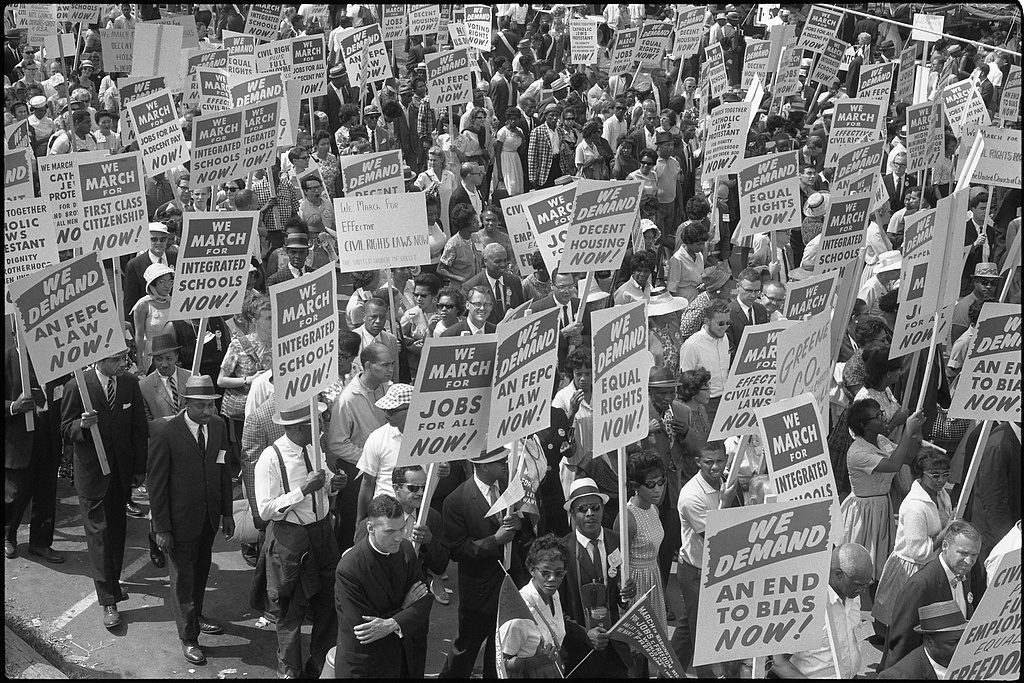
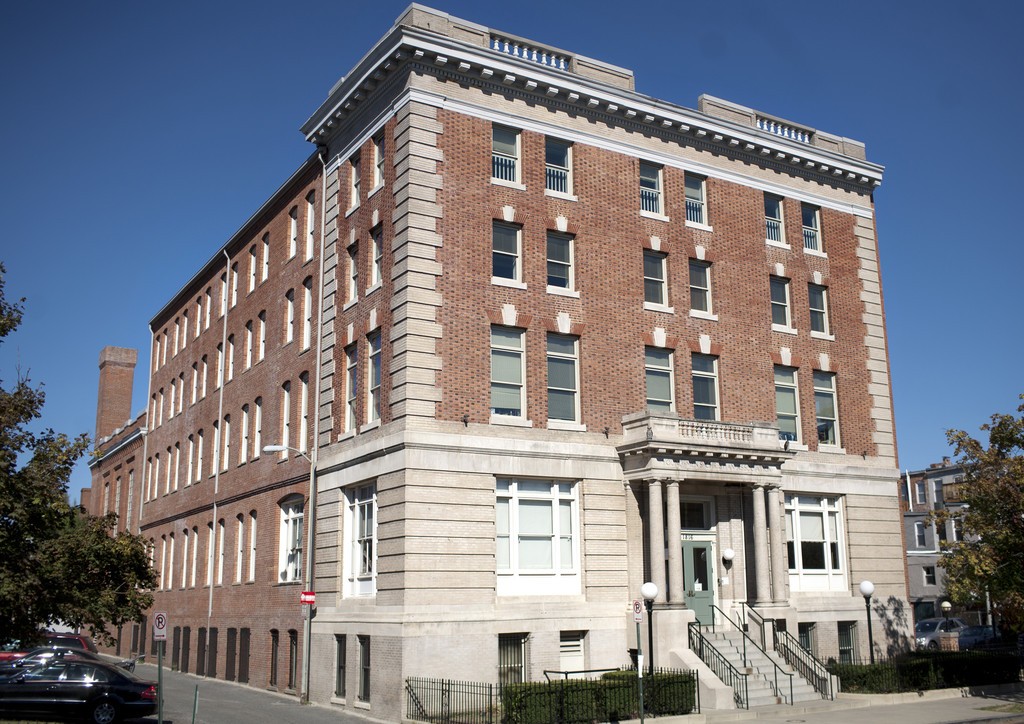 A first draft of the site list will be completed and shared with the public this fall and an open-invitation community meeting will follow on Tuesday, November 5th at 6:30 pm at the Thurgood Marshall Center, 1816 12th Street, NW. Please save the date!
 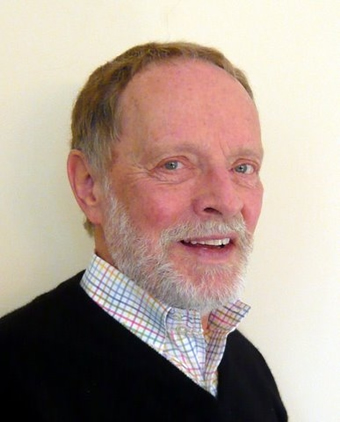 DCPL Trustee Donald Beekman Myer, FAIA, passed away unexpectedly on August 8th. Don called the City of Washington home since 1963, a time ripe with opportunities to blend his architectural expertise with the historic preservation movement. His early work for the National Park Service included historic preservation alongside HABS studies of Washington’s architecture, efforts which later informed his role as Assistant Secretary of the U.S. Commission of Fine Arts. Here, he balanced preservation work with design review and played a part in discussions about evolving urban dynamics, including the impact of modern infrastructure, technology, and even digital trends like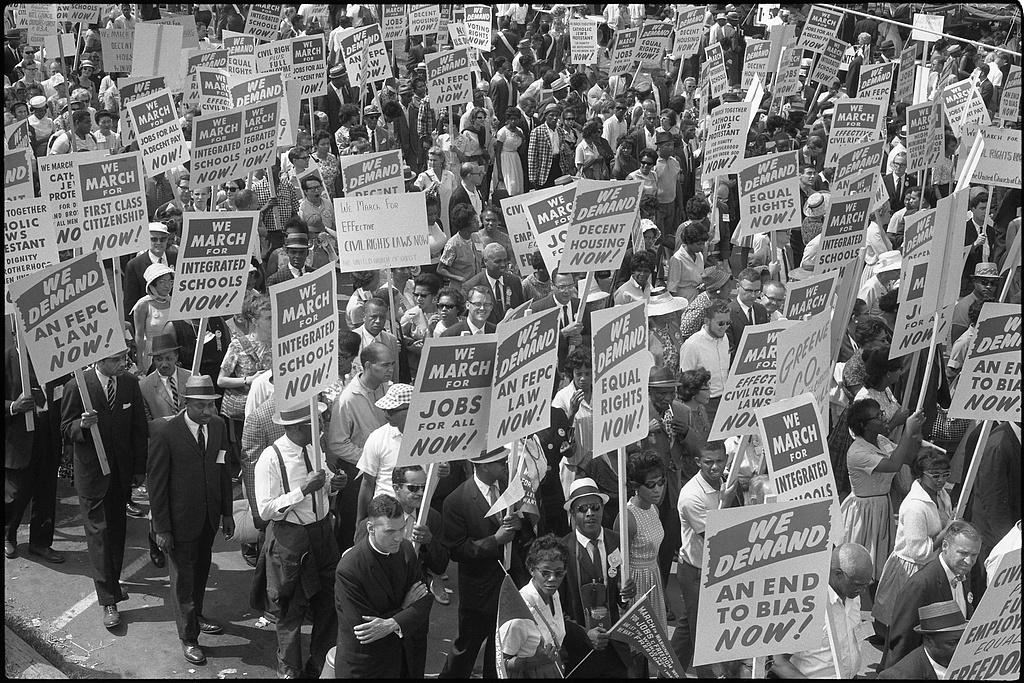
 Scott DeMartino joined the DCPL Board of Trustees in 2012 and served as its Vice President since 2015. He serves on the Government Affairs Committee that pursues issues relating to government and its impact on preservation. The Committee monitors city and federal government planning decisions that may impact Washington’s historic resources, while advocating for sound historic preservation policy.
 Fay Armstrong joined the DCPL Board of Trustees in 2011 and is an active member of DCPL’s Government Affairs Committee. She came to Washington in 1976 to work for the U.S. Department of State. Over a thirty-year career, she focused primarily on legal and policy matters related to Latin America and the Caribbean. As part of her broader research on international regulations, she occasionally examined
  Kate Olson joined the DCPL Board in 2010 and serves as its Secretary. She grew up in the historic Hudson Valley with a deep appreciation for the interplay of history, architecture and landscape. After attending a Preservation League of New York State conference in college Kate knew she wanted to pursue a profession involving historic preservation law. At Vassar she interned at the Franklin and Eleanor Roosevelt Institute and during her last year at Vermont Law School she interned both at the Vermont State Historic Preservation Office and the general counsel’s office of the National Trust for Historic Preservation (NTHP). Upon graduation she returned to NTHP and worked there for five years before moving on to private practice. As an associate at the law firm of Greenstein DeLorme & Luchs, P.C., Kate advises and represents clients on matters involving land use, zoning, and historic preservation. She represents clients before the D.C. Zoning Commission and the Board of Zoning Adjustment and other District and federal agencies involved in land use and historic preservation matters. In her spare time she can be found cycling with her husband.
 Howard Berger is a longtime member and supporter of DCPL. He began his second term on the DCPL Board in 2012 and now serves as co-chair of the Development Committee. Mr. Berger is Supervisor of the Prince George’s County Planning Department/M-NCPPC Historic Preservation Section. He began his tenure there in 1988 and thus has extensive experience with all aspects of preservation planning