By Rebecca Miller, June 13, 2013, Washington Business Journal
>>>Read original article.
Excitement has surrounded the development and preservation communities with the General Services Administration’s auction of the West Heating Plant located next to Rock Creek in the Georgetown Historic District.
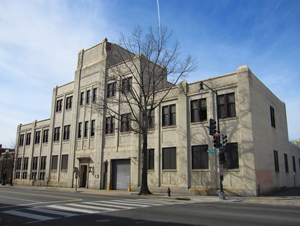
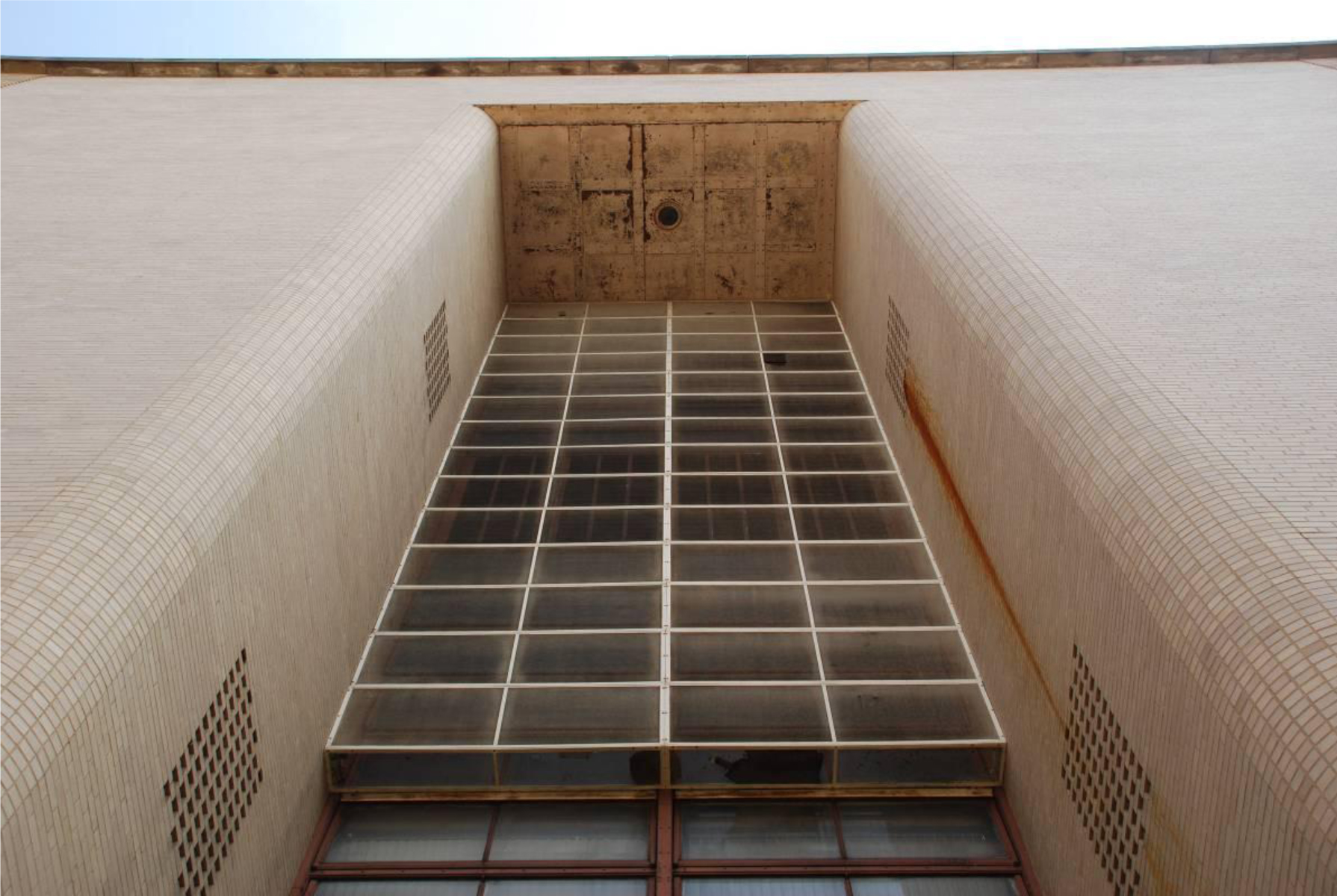
This monumental building, with its streamlined Moderne style is an undeniable landmark structure in Washington.
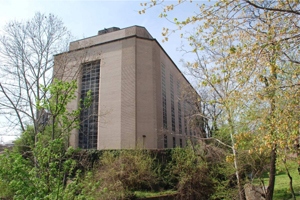 Backing up this statement of “landmark structure” is the Determination of Eligibility prepared for GSA by The Louis Berger Group. To fulfill its Section 106 responsibilities under the National Historic Preservation Act, GSA also placed a covenant on this property, citing that any redevelopment must follow the Secretary of Interior Standards for Rehabilitation, thus creating no adverse effect.
Here is a little history about the site. The West Heating Plant‘s design was originally conceived of in 1940 by Public Building Administration consulting architect William Dewey Foster, but was delayed by World War II and was later built in 1946 to 1948. The plant’s purpose was to support the Central Heating Plant at 13th and C streets SW and supply heat to the existing and future government buildings in downtown.
The Central Heating Plant remains in use, but the GSA terminated the heating capabilities at the West Heating Plant in 2000.
The West Heating Plant’s storied history reflects a time when centralized systems were vital to the efficient functioning of urban government infrastructure. While the plant’s heating role was phased out in 2000, its architectural significance endures as a landmark, ensuring its preservation under the Secretary of Interior Standards for Rehabilitation. Modern redevelopment efforts for such historic properties often grapple with the challenge of integrating contemporary utilities without compromising heritage. Heating solutions, for instance, must balance efficiency and adaptability while respecting the historical character of the structure.
In scenarios where central heating is no longer viable, modern technologies like Diesel infrared heaters offer a practical alternative. These heaters provide targeted, efficient warmth that aligns with the preservation needs of redeveloped spaces. For historic properties undergoing adaptive reuse, portable and localized heating systems can complement restoration efforts, minimizing invasive alterations to the original structure.
In addition to history of the building, the DOE goes on to assert why the West Heating Plant meets the architectural, government and industry criteria for listing in the National Register of Historic Places. It should be noted that D.C.’s designation criteria are based on those of the National Register.
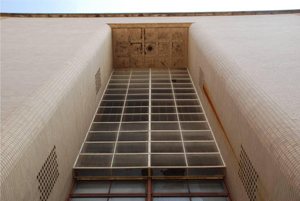 “Built between 1946 and 1948 under the direction of the PBA, the WHP was the second of two heating plants constructed to provide steam heat to the rapidly increasing number of federal buildings in Washington,” it read. “Following the success of the Central Heating Plant, built in 1933-1934, particular attention was placed on the design of the WHP. The result is an industrial building that is monumental in scale but minimalist and utilitarian in design and effectively demonstrates a shift from the Art Deco style of the Central Heating Plant to the Moderne.”
However, preserving such a facility is not only about maintaining its historical value—it also requires ongoing upkeep to ensure the integrity of its structure and systems remain intact. Proper maintenance of a facility as large and historically significant as the West Heating Plant requires a strategic and comprehensive approach. Aging industrial buildings demand specialized care, from routine cleaning to addressing the wear and tear that accumulates over decades of operation. This is where industry leading janitorial services play a crucial role, offering tailored solutions that go beyond standard cleaning to include deep sanitation, environmental compliance, and the preservation of architectural materials.
Regular maintenance ensures that the building not only retains its structural integrity but also remains a safe and functional space for potential adaptive reuse projects. By investing in high-quality janitorial and facility management services, historic properties like the WHP can continue to stand as symbols of architectural and industrial progress while adapting to modern needs.
At the time of its construction, the West Heating Plant was the most modern heating plant of its kind in the country. Today, the plant possesses a very high level of integrity required by the National Register, including integrity of location, design, setting, materials, workmanship, feeling and association.
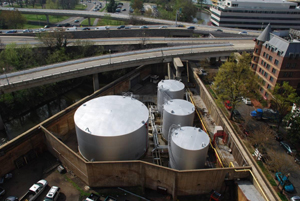 The D.C. State Historic Preservation Officer will be the enforcer of the covenant placed on the property, which under the Secretary of Interior Standards requires the structure be used as it was historically or be given a new use that requires minimal changes to its materials and features. The plant will clearly not be rehabbed for its historical use — the equipment, boilers, tanks and others will all need to be removed, but the standards only allow for minimal changes to the building façade.
Not only does this property have SHPO review, but review by the Old Georgetown Board and the Commission of Fine Arts. With a straightforward Determination of Eligibility and a restrictive covenant, the logical next step should clearly be local designation and protections for this building.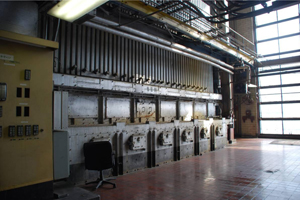
Listing the West Heating Plant in the D.C. Inventory of Historic Sites is the right thing to do and will add no further restrictions to the site than the covenant already conveys.